Historic or Just Plain OLD Homes
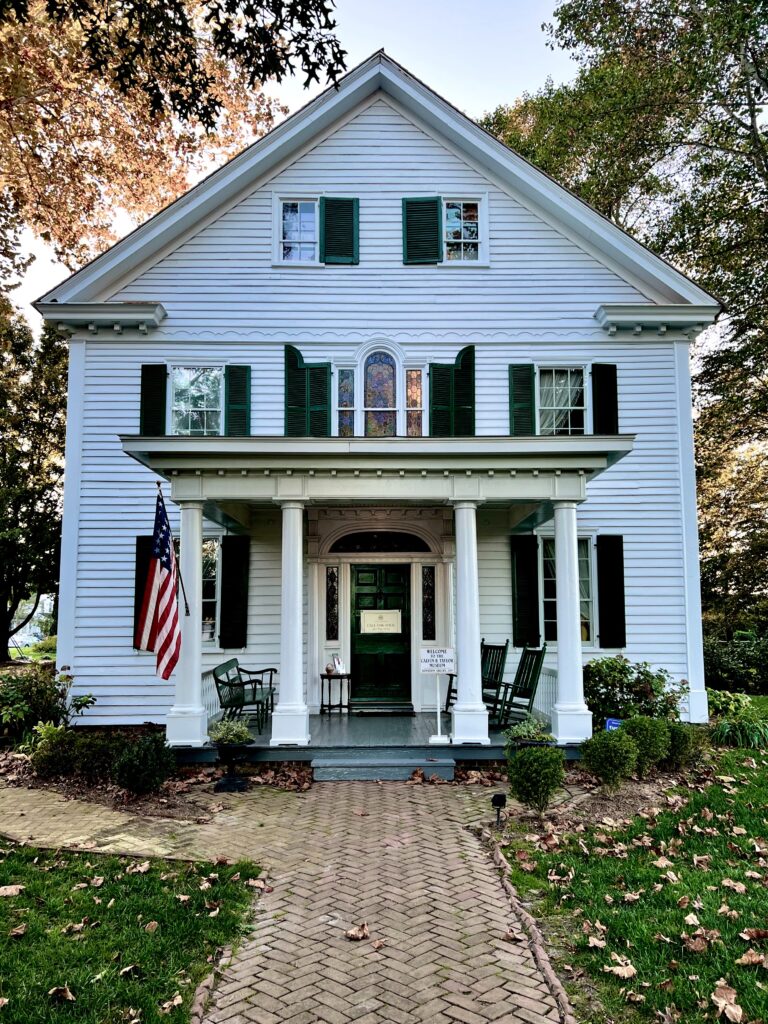
Special Considerations for Historic Homes (1700s–1800s)
When evaluating a property from the 18th or 19th century, standard inspection checklists aren’t enough. Because these homes were built long before modern building codes, several unique factors must be addressed:
1. Structural Integrity & Materials
To begin with, the foundation, framing, and roof are often more susceptible to decay. Since these structures rely on aged materials and hand-built techniques, they may have shifted or deteriorated over centuries. Consequently, a deep dive into the home’s “bones” is the first priority.
2. Outdated Utility Systems
Furthermore, the electrical and plumbing systems are often the most significant safety concerns. Specifically, original or amateurly updated wiring and piping can be outdated and potentially dangerous. These systems frequently require total replacement to meet modern safety standards.
3. Health & Environmental Hazards
In addition to structural concerns, older homes often harbor hidden health risks. For instance, lead paint and asbestos were common in earlier eras, and radon gas can accumulate in old basements. It is vital to have these areas tested to protect the health of your family.
4. Efficiency & Maintenance
Another important factor is the home’s energy efficiency. Most homes from this era have little to no insulation, which can lead to incredibly high heating and cooling costs. Moreover, buyers should be prepared for the ongoing effort and higher costs involved in maintaining a historic property.
5. Historical Significance & Regulations
Finally, keep in mind that your home may be subject to local preservation regulations. If so, you may be limited in how you can renovate or repair the exterior, which can impact both your budget and your vision for the property.